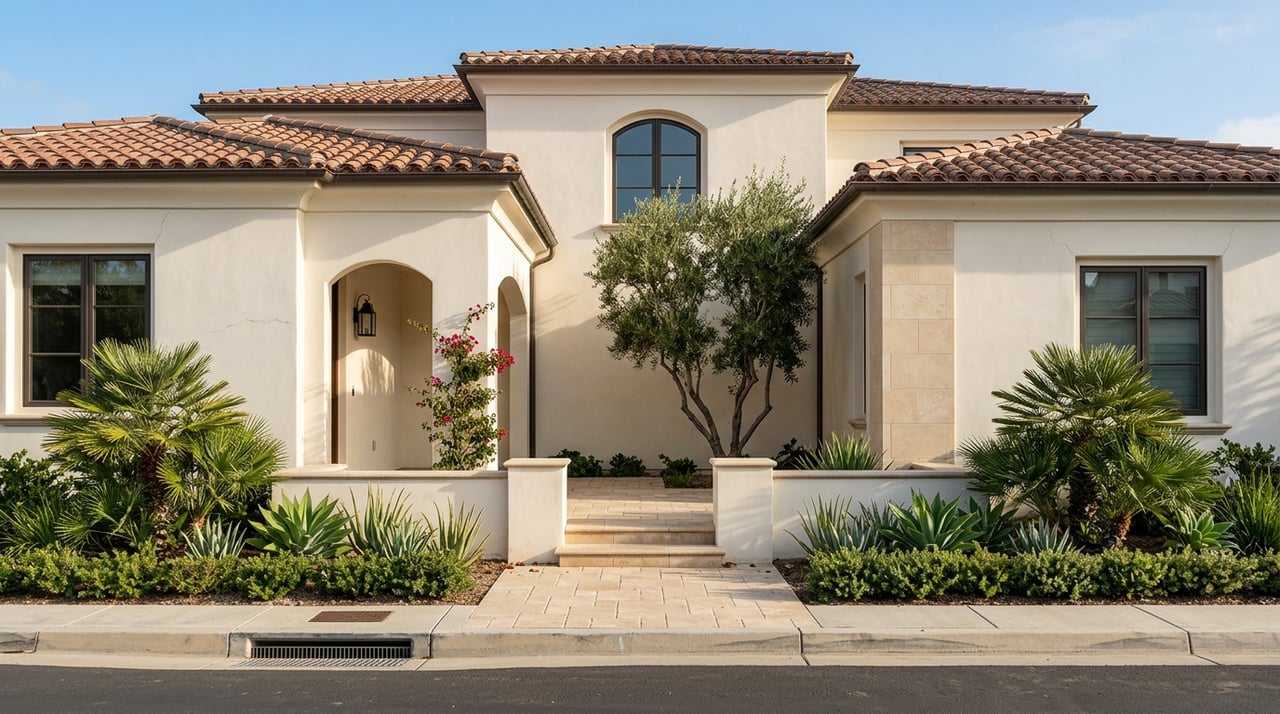
If you are shopping in Newport Coast, the home itself is only part of the story. In this part of Newport Beach, community design, gates, open space, and layered HOA structures can shape your costs and day-to-day experience just as much as the floor plan. This guide will help you understand how Newport Coast communities are organized, what different enclaves offer, and which HOA details you should review before you fall in love with a property. Let’s dive in.
Why Newport Coast Feels So Planned
Newport Coast is an official planned community district within Newport Beach, and that planning framework helps explain why the area feels so distinct. The city's Newport Coast Local Coastal Program describes a 9,493-acre area, with 7,343 acres devoted to open space and recreation.
That balance of residential areas, conservation land, recreation uses, golf, and tourist commercial uses has a real effect on how communities function. In practical terms, you will often see gated entries, view-sensitive development, and HOA-managed common areas throughout Newport Coast.
Crystal Cove State Park also plays a major role in the area's lifestyle appeal. California State Parks describes it as one of Orange County’s largest remaining examples of open space and natural seashore, with 3.2 miles of beach, tidepools, sandy coves, rocky reefs, ridges, canyons, and 2,400 acres of backcountry wilderness.
How Newport Coast HOAs Work
One of the most important things to understand is that Newport Coast often has layered HOA governance. A home may belong to a local sub-association and also be part of a broader master association.
The Newport Coast Community Association is a statutory homeowners association organized in 1991. Its 2024 audited financial statements say the master association covers 1,638 residential units across 20 separate subdivisions and five major gate cost centers: Ocean Ridge, Pelican Hill, Pelican Crest, Coastal Canyon, and Ocean Heights.
For you as a buyer, that means monthly obligations may not stop at one HOA bill. Depending on the property, you could be paying into a neighborhood-level association plus a Newport Coast master assessment.
What HOA Dues Often Support
In Newport Coast, HOA dues usually fund much more than basic landscaping. The 2024 audited financial notes for the master association reference parks staffing, pool monitors, janitorial service, pool-area service, landscape maintenance, lighting, gate houses, fences and walls, entry monuments, and vehicle gates.
Those same financial notes also mention reserve studies for the master association and several gate cost centers. That matters because it shows that replacement funding is built into the structure, not just day-to-day maintenance.
Just as important, HOA systems here can be very operational. Public HOA websites in the area show resident payment portals, service request systems, staffed entry processes, guest management, and amenity reservation workflows. In some communities, parts of everyday living run through the HOA more actively than they would in a less structured neighborhood.
Crystal Cove at a Glance
Crystal Cove is one of the best-known Newport Coast enclaves, and it is also one of the clearest examples of a highly managed HOA environment. The official Crystal Cove Community Association site says the community has 24-hour staffed entry, uses Proptia for visitor management, allows residents to reserve tennis and pickleball courts, and provides access to Canyon Club pedestrian doors.
Current listing examples also point to amenities such as hiking trails, tennis, a pool, barbecue areas, a clubhouse, and a spa. For many buyers, that level of structure and amenity access is part of the appeal.
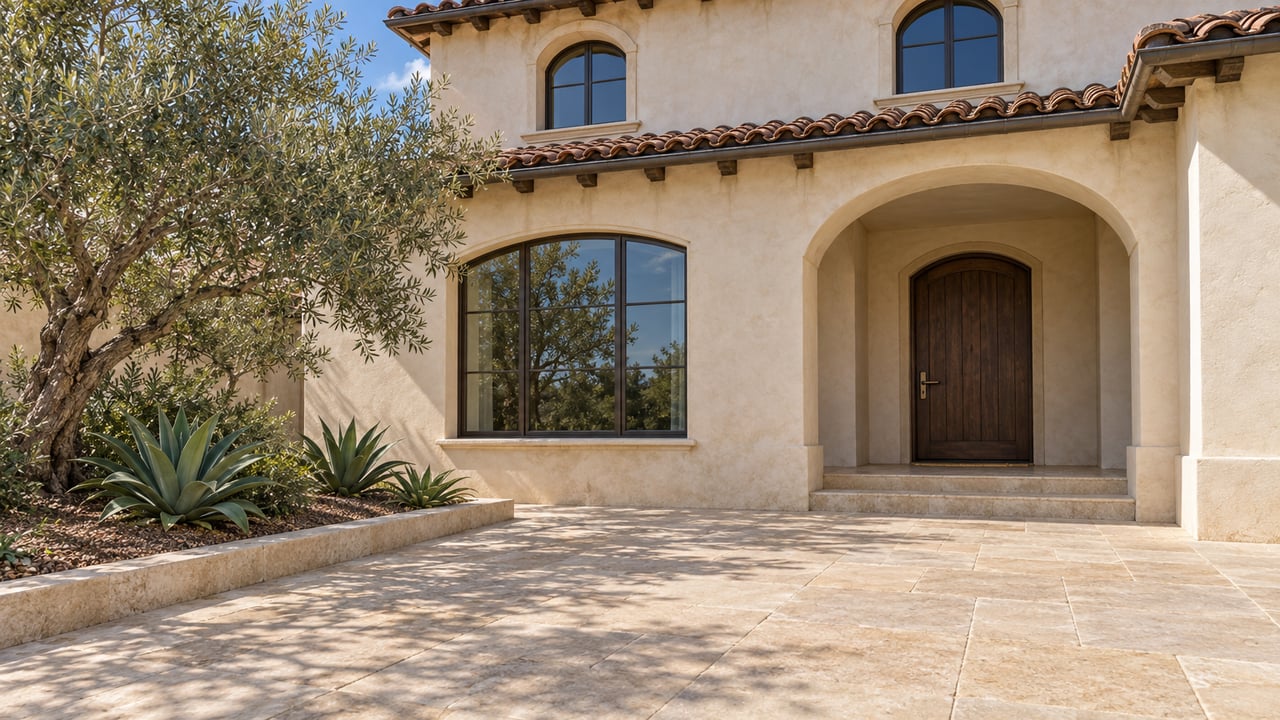
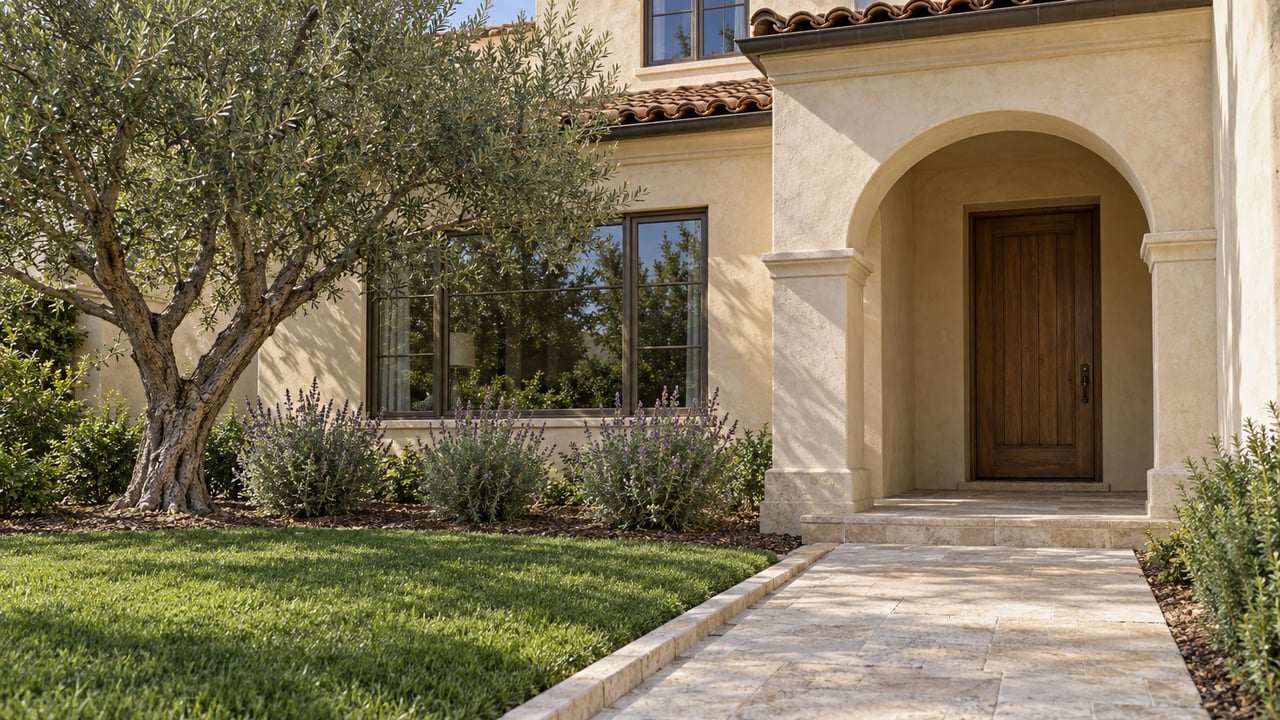
Architecturally, Crystal Cove is not one-note. Recent listings describe Tuscan-inspired farmhouse estates, Mediterranean-inspired estates, and Santa Barbara-style homes with Spanish Revival nuances.
From a budgeting standpoint, recent listing examples show monthly association charges around $1,015 and $1,462. At least one listing also disclosed special assessments and a land lease, which is a good reminder that Crystal Cove buyers should review each property’s HOA documents carefully rather than assume every home follows the same structure.
Pelican Hill and Pelican Crest
Pelican Hill and Pelican Crest often attract buyers who want a resort and golf-centered setting. The Newport Coast Local Coastal Program says two 18-hole golf courses at Pelican Hill form the centerpiece of the destination resort.
Current listing examples in these enclaves show custom estate homes with design descriptions such as Old World European, Mediterranean revival, and Italian-inspired architecture. As with much of Newport Coast, the architectural style can influence how a home feels, but the HOA structure can be just as important.
Recent listing examples show that fees in this area can be layered. One Pelican Hill estate listed an association fee of $720 and noted Mello-Roos. Pelican Crest examples include one property with a $1,080 monthly fee plus a $442 secondary Newport Coast assessment, another with a $1,522 monthly HOA total, and another with a $600 association fee.
The key takeaway is simple: there is no single Pelican Hill or Pelican Crest HOA number you can rely on. You need the property-specific disclosures.
Pacific Ridge Overview
Pacific Ridge is a guard-gated hillside enclave often associated with views and resort-style common areas. Recent listing descriptions characterize homes there as soft Mediterranean, coastal-contemporary, and Tuscan.
Listing examples also identify amenities such as a pool, spa, barbecue and outdoor cooking area, picnic area, playground, biking trails, hiking trails, and controlled access. A current listing example shows a $485 monthly association fee.
For buyers comparing value across Newport Coast, Pacific Ridge can stand out because it combines gated living and shared amenities with a lower sample HOA figure than some of the larger luxury enclaves. Still, you should verify the actual dues and what is covered for the exact property you are considering.
Trovare and Attached-Home Options
If you want a Newport Coast address without shopping only for large estate properties, attached-home communities like Trovare are worth understanding. Current listings describe Trovare as a 168-unit community with a primary association and, on some homes, a secondary Newport Coast master assessment.
Sample fees shown on current listings range from about $495 total to about $815 total. Amenities listed include a pool, spa, barbecue area, picnic area, tennis, and a sport court.
For many buyers, communities like Trovare offer a different entry point into Newport Coast. The tradeoff is that you still need to look closely at whether the home has one HOA, two HOA layers, and what those dues include.
Architecture Matters Here
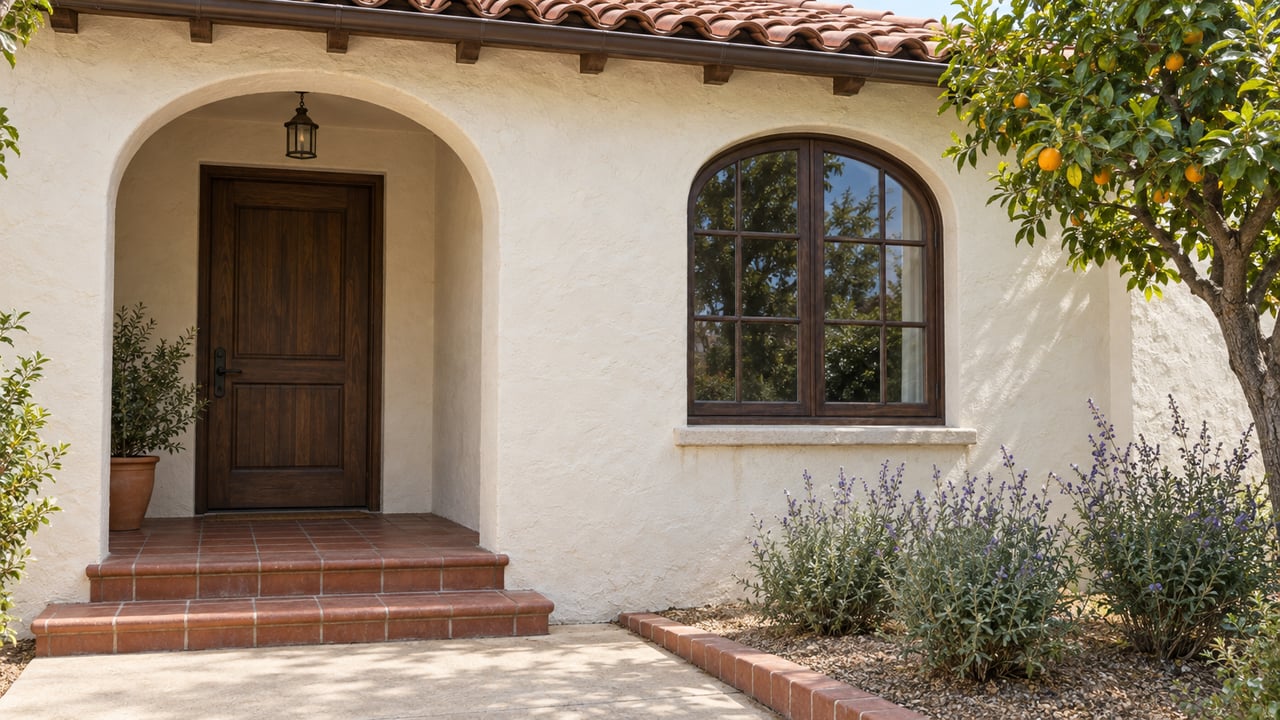
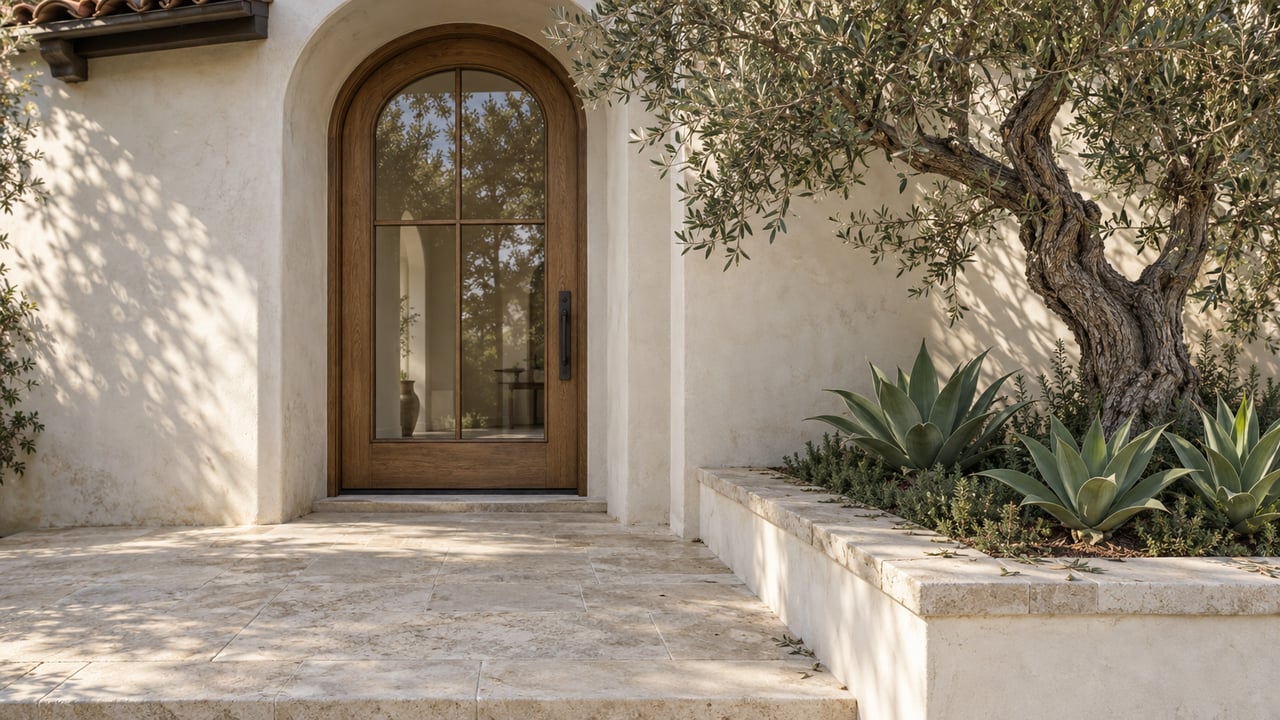
Newport Coast is not defined by one architectural style. Across current listings, you may see Mediterranean revival, Old World European, Tuscan, Santa Barbara, Spanish Revival, and coastal-contemporary design.
That variety means square footage is only one piece of the comparison. Style, lot position, view orientation, and whether the home is attached or detached can all affect how a property lives and how it fits your goals.
The local planning framework also helps explain why exterior consistency matters so much in Newport Coast. Because the area was planned around open space, ridgelines, golf corridors, and view-sensitive development, HOA oversight of exteriors and common areas tends to be a major part of the ownership experience.
What to Budget Before You Tour
One of the easiest mistakes in Newport Coast is focusing on list price and underestimating monthly ownership costs. Recent listing examples show a wide spread in HOA dues: roughly $485 in Pacific Ridge, around $720 in Pelican Hill, about $495 to $815 in Trovare, about $1,015 to $1,462 in Crystal Cove, and roughly $1,522 in a Pelican Crest example that also carried a secondary Newport Coast assessment.
These are snapshots from current listings, not universal community schedules. Still, they show how sharply costs can vary by enclave, product type, and HOA layer.
As you narrow your search, ask these questions early:
- Is there a master association, a sub-association, or both?
- What amenities are included in the dues?
- Are there any special assessments?
- Does the property have Mello-Roos?
- How are guest access and amenity reservations handled?
- Are there reserve disclosures available for review?
In Newport Coast, the clearest budget picture usually comes from the seller’s HOA packet, reserve disclosures, and current association statement. That is often far more useful than relying on a listing summary alone.
A Smart Way to Compare Communities
If you are deciding between Newport Coast enclaves, it helps to compare them on more than price per square foot. A better side-by-side review includes HOA layers, access control, amenities, architecture, and the feel of the surrounding open space.
Here is a simple comparison framework you can use while touring:
| Community | Typical Home Type | HOA Structure Notes | Sample Amenities | Sample HOA Figures From Listings |
|---|---|---|---|---|
| Crystal Cove | Custom estates | May include complex property-specific obligations | Staffed entry, tennis, pickleball, trails, pool, clubhouse, spa | About $1,015 to $1,462 |
| Pelican Hill/Pelican Crest | Custom estates | Can include primary fee plus secondary Newport Coast assessment | Gated living tied to golf-resort setting | About $600 to $1,522, with one example showing a $442 secondary assessment |
| Pacific Ridge | Detached hillside homes | Verify property-specific structure | Pool, spa, picnic area, playground, trails, controlled access | About $485 |
| Trovare | Attached townhomes/condos | Some homes also pay a secondary master assessment | Pool, spa, barbecue, picnic area, tennis, sport court | About $495 to $815 total |
That kind of comparison can help you quickly spot whether one home is truly a better fit, or simply a different cost structure.
If you want help making sense of Newport Coast community differences before you tour or write an offer, Emily White can help you compare properties with a clear eye on HOA layers, monthly costs, and the lifestyle each enclave actually delivers.
FAQs
What is the Newport Coast master association?
- The Newport Coast Community Association is the master HOA that, according to its 2024 audited financial statements, covers 1,638 residential units across 20 subdivisions and five major gate cost centers.
Can a Newport Coast home have two HOA fees?
- Yes. A property may belong to a local sub-association and also pay a broader Newport Coast master assessment.
What do Newport Coast HOA dues usually cover?
- Based on the 2024 audited financial notes, dues may support items such as parks staffing, pool monitors, janitorial service, landscaping, lighting, gate houses, walls, monuments, and vehicle gates.
Which Newport Coast communities have higher sample HOA costs?
- Recent listing examples show higher sample monthly HOA figures in communities such as Crystal Cove and Pelican Crest, though the exact amount varies by property.
What should buyers review before purchasing in Crystal Cove or Pelican Crest?
- You should review the seller’s HOA packet, reserve disclosures, current association statement, and any details about special assessments, layered dues, land lease terms, or Mello-Roos if disclosed.
Is Newport Coast mostly gated?
- Many Newport Coast communities are gated or access-controlled, which aligns with the area’s planned development pattern and HOA-heavy structure described in the local planning and association materials.