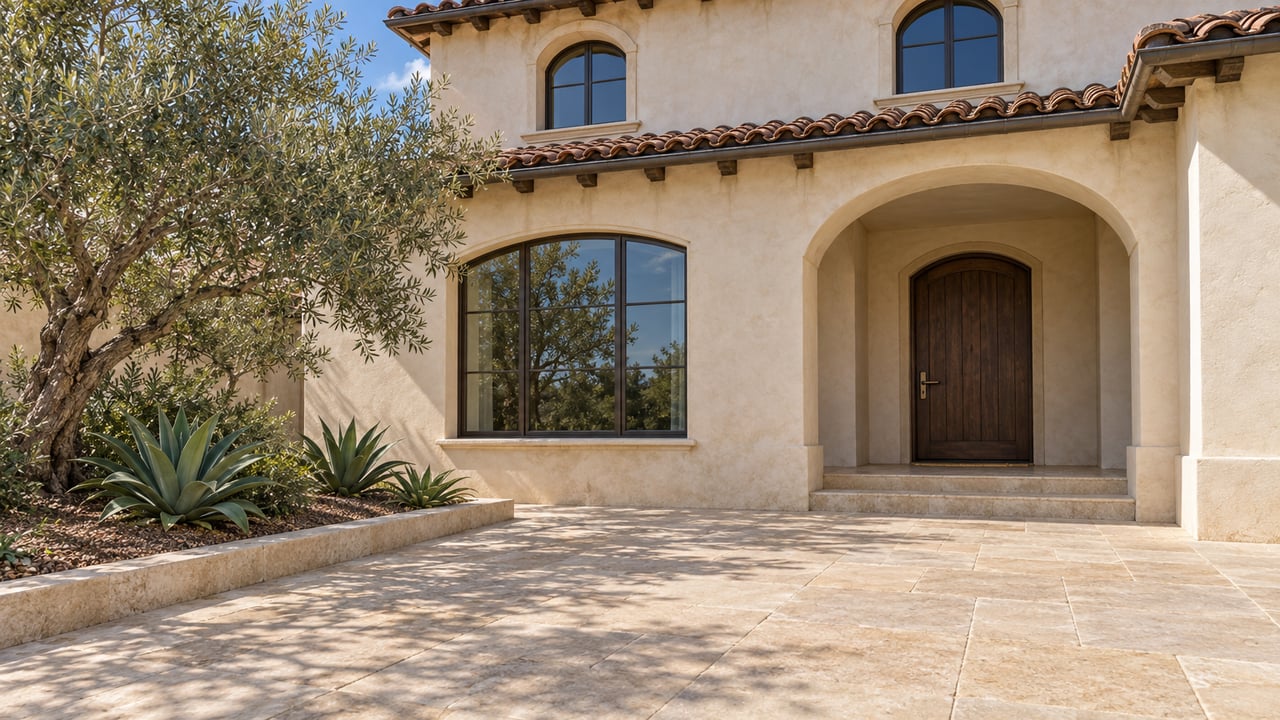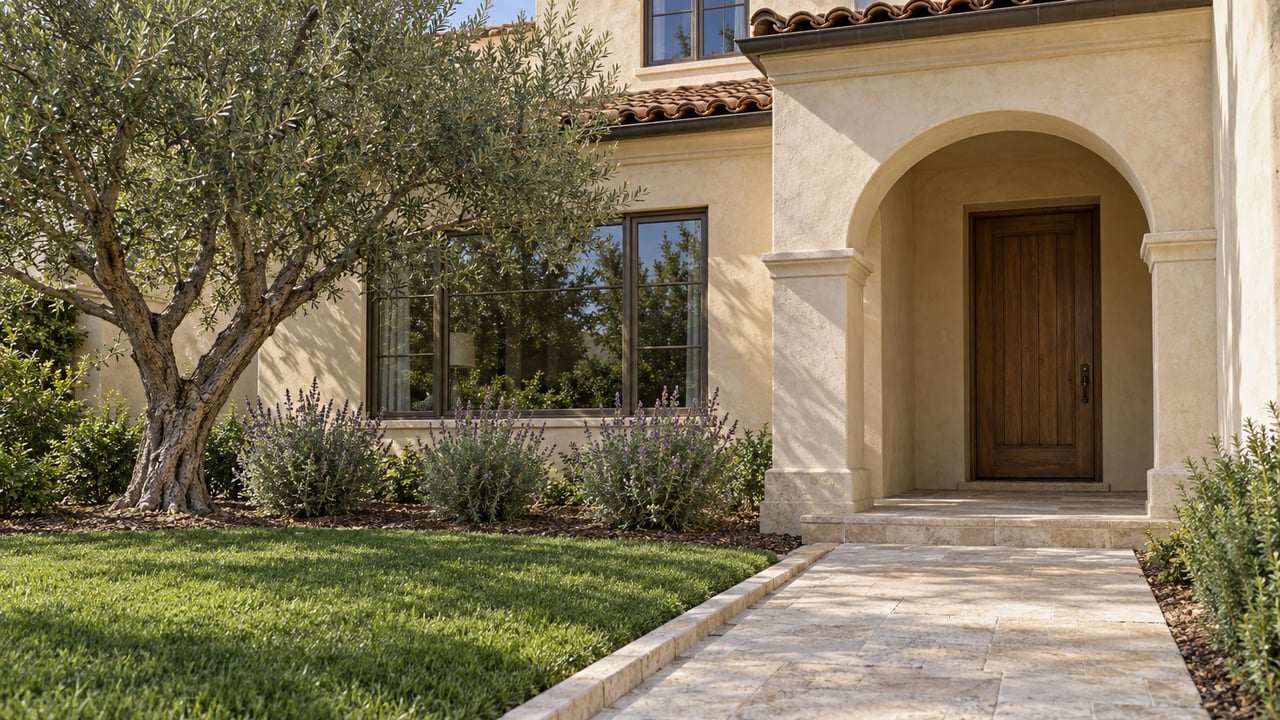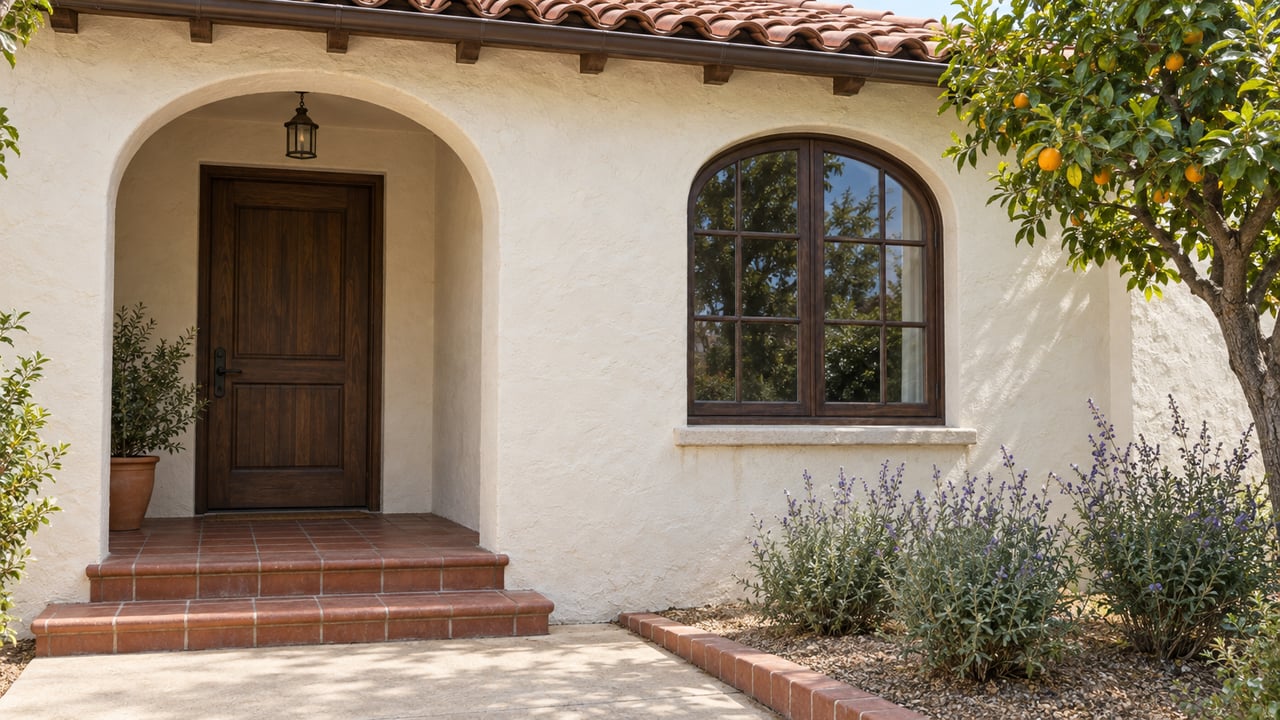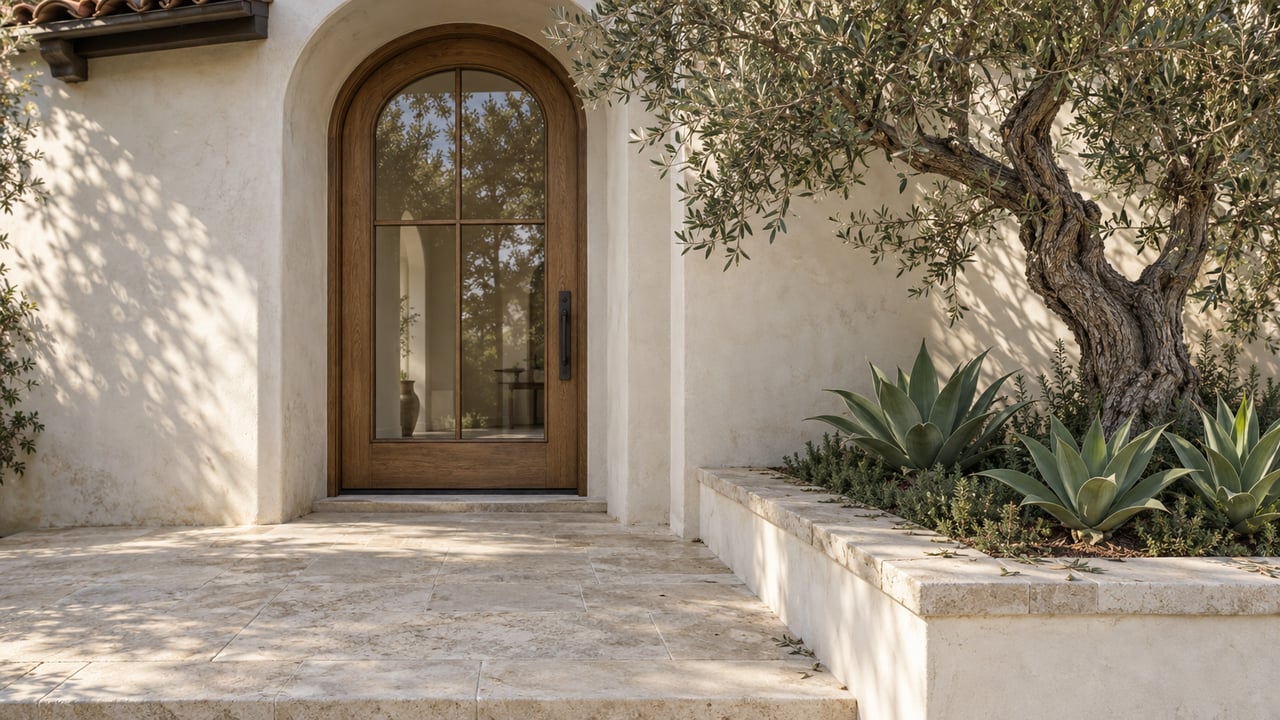
Thinking about buying in Costa Mesa and adding an ADU? It can be a smart long-term move, but only if you look at it with clear eyes. In a market with high home prices and modest rental yield, the real opportunity is usually not quick cash flow. It is flexibility, mortgage offset, and long-term equity growth. If you want to understand how Costa Mesa homes and ADUs can fit into a wealth-building plan, this guide will walk you through the numbers, rules, and practical next steps. Let’s dive in.
Why Costa Mesa ADUs Matter
Costa Mesa gives you something many buyers want right now: options. The city describes ADUs and JADUs as independent living facilities that may house extended family members or tenants, which makes them useful for multigenerational living, house hacking, or creating long-term rental income. You can review the city’s ADU overview on the Costa Mesa ADU page.
That flexibility matters even more in a high-cost market. If you buy a home with space for an ADU, or one that already has a legal ADU, you may be creating more than extra square footage. You may be creating a property that can serve your household in different ways over time.
Costa Mesa Market Snapshot
Costa Mesa remains a high-entry market. According to Zillow’s Costa Mesa market data, the typical home value was $1,413,322 as of March 31, 2026, with a median sale price of $1,405,500, and homes were going pending in about 14 days.
Rents are meaningful, but they do not fully change the math. Zillow reports an average rent of $3,058 per month, with average rents of $2,033 for studios, $2,435 for one-bedroom units, $3,159 for two-bedroom units, and $4,700 for three-bedroom units. Based on those market-wide averages, the implied gross yield is about 2.6% before expenses.
What That Means for Investors
If you are underwriting a Costa Mesa property, it helps to stay realistic. In this market, an ADU usually makes more sense as a long-term wealth tool than a pure high-yield rental play. The extra unit can help offset your mortgage, support a future refinance, or make the property more useful and appealing over time.
That is very different from chasing short-term rental income. Costa Mesa requires a minimum 31-day rental period for ADUs, so the value proposition is centered on stable, legal occupancy and long-hold ownership rather than vacation-rental arbitrage.
ADU Rules to Know
Before you buy with an ADU plan in mind, you need to know the local framework. Costa Mesa allows ADUs and JADUs in residential and mixed-use zones, and qualifying projects are approved ministerially without a public hearing under the city’s posted standards in the ADU ordinance and development table.
On a single-family lot, the city allows one ADU and one JADU. A JADU is capped at 500 square feet and requires owner occupancy. An ADU may be detached up to 1,200 square feet or attached up to the greater of 50% of the primary dwelling or 1,000 square feet.
Costa Mesa also lists a 150-square-foot minimum ADU size. The city requires independent exterior access, a separate mailing address assignment, and a recorded land-use restriction.
Setbacks, Conversions, and Site Fit
The best ADU opportunities are often the ones that already fit the rules. Conversions of existing living area or an accessory structure in the same location generally do not require setbacks. For new ADUs, the city generally requires 4-foot side and rear setbacks, along with the underlying front setback.
Second-story designs can be more complex. Costa Mesa’s standards require a 25-foot front setback for second-story portions, and exterior stair visibility from the street is limited. That makes lot layout and design especially important if you are considering building up instead of out.
Why Garage Conversions Stand Out
Garage and accessory-structure conversions can be especially attractive in Costa Mesa. The city’s guidance says replacement parking is optional when a garage or carport is converted or demolished in conjunction with ADU construction, though removed open parking spaces must be replaced.
That can improve project feasibility on lots where new detached construction would be harder. If you are comparing homes, a property with a garage or detached accessory structure may offer a more efficient path to value than a blank-slate lot.
Financing an ADU Purchase or Project
Financing matters just as much as zoning. According to Fannie Mae’s ADU financing guidance, ADUs can be financed with standard purchase or refinance loans, HomeStyle Renovation, Construction-to-Permanent financing, or HomeReady products.
There is also a key income angle for some buyers. For certain one-unit principal residences with an existing ADU, rental income from that ADU can help you qualify. Fannie Mae limits this to one ADU on the subject property, purchase or limited cash-out refinance transactions, and caps qualifying ADU income at 30% of total qualifying income.
Lenders also want documentation. That may include leases, tax returns, or an appraisal rent schedule, so it is important to talk with a lender early if ADU income is part of your plan.
Do Not Count on Grant Money
If you are hoping for public ADU assistance, verify everything before you build your budget. CalHFA’s ADU Grant program says all funds were fully reserved as of December 28, 2023. The Orange County Housing Finance Trust also discontinued efforts to establish its Affordable ADU Loan Program in 2025, according to the research provided.
That does not mean there are no paths forward. It means you should treat grants and soft-loan programs as uncertain, not guaranteed. Your plan should work with conventional financing assumptions first.
How to Evaluate an Existing ADU
If a home already has an ADU, your first question should not be rent. It should be legality. Costa Mesa’s Safe ADU Legalization Program applies to ADUs and JADUs built without permits before January 1, 2020, and the city notes that legalization can reduce safety risk, liability, and appraisal problems.
The city also warns that unpermitted construction may not be covered by insurance. That means permit status can affect financing, insurability, future resale, and your ability to confidently count on rental income.
Your Costa Mesa ADU Checklist
When you evaluate a Costa Mesa property for long-term wealth potential, focus on the basics first:
- Confirm whether the ADU is permitted
- Ask whether any unpermitted unit can be legalized
- Verify any recorded land-use restriction
- Confirm separate mailing address assignment
- Review utility connections and service capacity
- Check fire and safety compliance
- Understand parking changes or replacement requirements
- Ask about plan-check, engineering, school, and park impact fees
- Confirm the unit is intended for rentals of 31 days or more
If you are buying a property to add an ADU later, also look for signs the lot already works with city standards. A garage conversion, existing accessory structure, or clear path for exterior access can make a major difference.
A Smart Long-Term Strategy
The core thesis in Costa Mesa is simple: buy for flexibility, not fantasy. In a market with high purchase prices, fast-moving listings, and modest gross yield, ADUs are best viewed as a way to improve how a property performs over time. They can support extended family, create legal long-term rental income, and make the property more adaptable as your needs change.
That kind of flexibility can become a real asset in a long hold. It may not look flashy on day one, but it can strengthen your monthly budget, expand future options, and support long-term equity growth in a supply-constrained market.
Buying With the Right Plan
The best Costa Mesa ADU investments usually start with the right property, not just the right idea. A home with a permitted ADU, a viable conversion opportunity, or a layout that clearly supports city standards can save you time, money, and stress later. It also gives you a more reliable path to using the property the way you intended.
If you are weighing Costa Mesa opportunities and want a practical, resale-aware strategy, working with an agent who understands both market positioning and property feasibility can help you avoid expensive surprises. When you are ready to explore your options, connect with Emily White for a personalized consultation.
FAQs
What makes a Costa Mesa ADU a good long-term investment?
- A Costa Mesa ADU can add flexibility for extended family or tenants, help offset your mortgage, and support long-term equity growth more than high immediate cash flow.
Can you use a Costa Mesa ADU as a short-term rental?
- No. Costa Mesa requires ADUs to be rented for a minimum of 31 days, so they are intended for longer-term occupancy.
How many ADUs are allowed on a single-family lot in Costa Mesa?
- Costa Mesa allows one ADU and one JADU on a single-family lot, subject to the city’s current standards.
Can ADU rental income help you qualify for a mortgage in Costa Mesa?
- In some cases, yes. Fannie Mae says rental income from an existing ADU on certain one-unit principal residences may help with qualifying, subject to lender documentation and program limits.
What should you check before buying a Costa Mesa home with an ADU?
- You should confirm permit status, legalization options for unpermitted work, recorded restrictions, address assignment, utility setup, safety compliance, parking impacts, and expected fees.
Are ADU grants still available in California for Costa Mesa buyers?
- Public subsidy options appear limited based on the research provided, and major ADU grant or loan programs referenced here were no longer active, so you should verify current availability before relying on them.