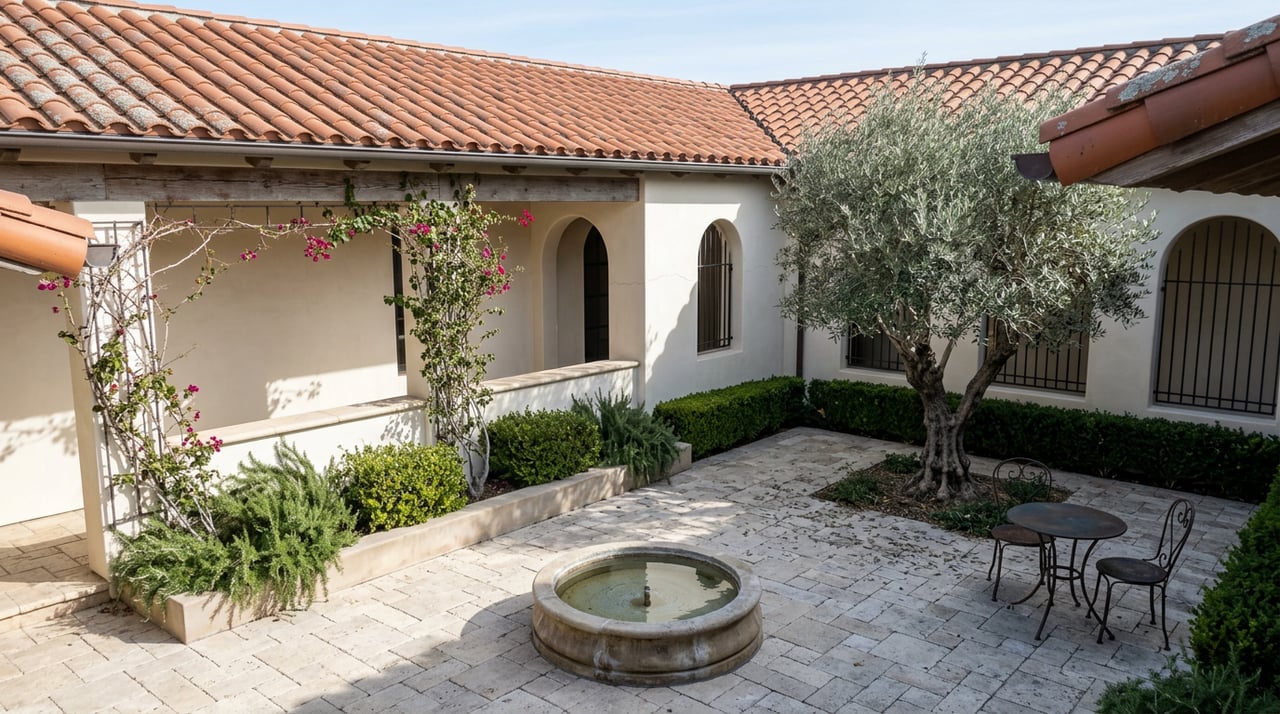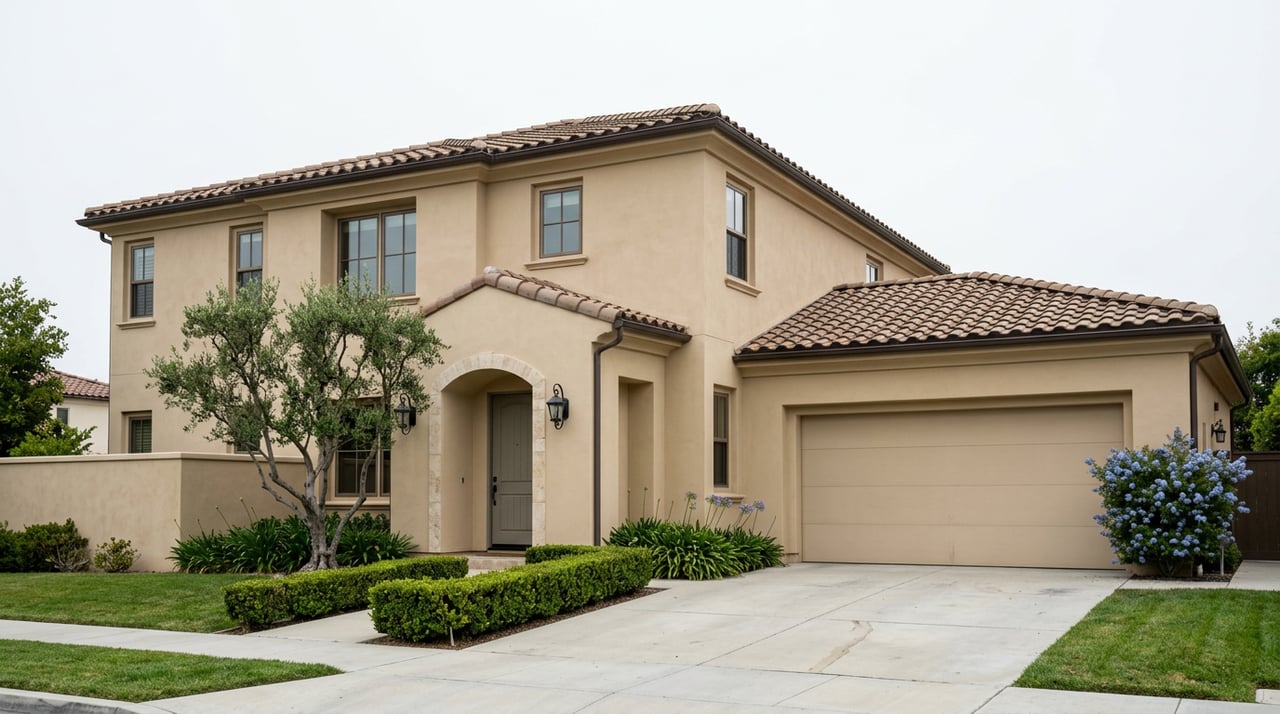
Trying to choose between a condo and a house in Newport Coast? You want the ocean lifestyle, but you also want a smart financial decision. In this guide, you’ll see how costs stack up and how day‑to‑day living differs so you can buy with confidence. Let’s dive in.
Newport Coast market snapshot
Newport Coast is a luxury pocket of Newport Beach with gated communities, resort‑style amenities, and a mix of condos, townhomes, and estate‑level single‑family homes. Prices sit well above broader Orange County averages. Condos and townhomes often begin in the high six figures to low seven figures, while single‑family homes commonly start in the low to mid millions and extend much higher for ocean‑view estates.
Price variation is driven by view quality, lot size, community amenities, proximity to Pelican Hill, new construction versus resale, and overall finishes. In short, the neighborhood is highly sensitive to ocean outlooks and community prestige.
What really drives your monthly cost
Your total monthly number includes more than the mortgage. Factor in property taxes, HOA dues, insurance, utilities, routine maintenance, and reserves for larger repairs.
HOA fees in Newport Coast
- Condos and townhomes: Monthly HOA dues often range from a few hundred dollars into the $2,000+ range depending on amenities, staffing, and whether some utilities or insurance are included.
- Single‑family homes: Gated or amenity‑rich neighborhoods can also have dues, sometimes in the low hundreds up to several thousand per month. Some neighborhoods have modest or no HOA dues.
- What to review: The Davis‑Stirling Act governs California HOAs. Always review budgets, reserve studies, CC&Rs, and recent meeting minutes for signs of upcoming special assessments. You can learn more about HOA governance from the Davis‑Stirling Common Interest Development Act.
Property taxes and Mello‑Roos
California’s base property tax is roughly 1% of assessed value, plus local assessments and bonds that can bring the effective rate closer to 1% to 1.5% depending on the parcel. Some master‑planned areas include Mello‑Roos or community facilities district taxes. Verify the exact tax bill through the Orange County Treasurer‑Tax Collector.
Maintenance and utilities
- Single‑family homes: A common rule of thumb is to budget roughly 1% to 3% of the home’s value per year for maintenance and repairs. Larger lots, pools, high‑end finishes, and extensive landscaping can push that higher. See general guidance from HomeAdvisor on home maintenance costs.
- Condos: Exterior and common‑area costs are handled through the HOA, which you pay for via monthly dues. Your focus is the interior. The key variable is whether the HOA reserves are adequate or if owners face periodic special assessments.
- Utilities: Some condo HOAs include water, trash, or gas. Most single‑family owners pay all utilities directly, and larger homes can carry higher energy bills.
Insurance near the coast: what changes
Living near the ocean affects insurance needs and pricing. Coverage types and who pays differ between condos and houses.
Condo vs. house policy types
- Single‑family home: You typically carry an HO‑3 policy that covers the structure, personal property, and liability within policy limits.
- Condo: You generally carry an HO‑6 policy for interior finishes, personal property, and liability. The HOA maintains a master policy for the building exterior and common areas. Coverage details vary by HOA, so review the master policy and certificate of insurance to understand what remains your responsibility. See the California Department of Insurance for guidance on homeowners and condo policies.
Earthquake and flood coverage
- Earthquake: Standard homeowners policies do not include earthquake coverage. It is sold separately in California, often through the California Earthquake Authority. Premiums depend on coverage limits, deductibles, and rebuild costs.
- Flood: Flood damage is usually not covered by standard policies. Coastal and low‑lying properties may be in FEMA Special Flood Hazard Areas and could require an NFIP or private flood policy. Check your property’s status through the FEMA Flood Map Service Center.
Master policy deductibles and high‑value coverage
In some associations, large master policy deductibles can be allocated to unit owners after a covered event. Ask for the master policy declaration page and deductible details. For high‑value homes, you may also need higher dwelling limits and an umbrella policy. Request quotes for both HO‑3 or HO‑6 early in your process to compare true carrying costs.
Ocean views: premium and risk
What you pay for the view
Ocean and coastline views in Southern California often command a significant premium. Depending on distance to the water and quality of the view, premiums can range from a modest percentage into the 20% to 50%+ range for unobstructed or bluff‑front locations. In Newport Coast, confirm the premium by reviewing recent comparable sales.
Coastal risks and permitting
Some Newport Beach coastline areas face flood or storm‑surge risk, and long‑term sea‑level rise can influence insurance and future value. Use the NOAA Sea Level Rise Viewer to visualize potential exposure and pair it with your property’s elevation and FEMA flood mapping. If you are considering bluff‑front or near‑shore properties, be aware that erosion, shoreline rules, and coastal permits can affect maintenance and what improvements are allowed. The City of Newport Beach publishes planning and coastal resources at the city website.
Lifestyle tradeoffs: condo vs. house
Space and privacy
- House: More privacy, indoor square footage, and yard space. Private pools and larger garages are common but come with higher upkeep.
- Condo: Less exterior space to manage, with a simpler lock‑and‑leave setup. You trade some privacy for convenience and shared amenities.
Amenities and services
- Condo/townhome: Many communities offer pools, landscaped grounds, fitness centers, and security. This is ideal if you value ease and on‑site services.
- Single‑family: You control your own amenities and schedule vendors as needed. In some gated neighborhoods you may still enjoy shared parks, security, or community pools.
Parking and storage
- Condo: Parking and storage depend on your deeded spaces. Confirm counts and locations before you write an offer.
- House: Garages and yards typically provide more storage for bikes, boards, and beach gear.
A taste of the resort lifestyle
Newport Coast living often blends residential privacy with resort influence. Nearby destinations like Pelican Hill highlight the area’s spa, golf, and dining culture. Your day‑to‑day feel will depend on whether you choose a staffed, amenity‑rich condo community or a private single‑family enclave.
Which is right for you?
Choose a condo if you want:
- Lower exterior maintenance and a lock‑and‑leave lifestyle
- Access to shared amenities like pools, fitness, and security
- Predictable monthly costs focused on HOA dues rather than variable exterior upkeep
Choose a single‑family home if you want:
- More privacy, indoor and outdoor space, and customization control
- Private amenities like a pool or larger garage
- Long‑term value tied to lot size and view, and you are comfortable managing vendors
Newport Coast buyer checklist
Use this checklist to compare specific properties and keep surprises low.
- Market comps: Review recent sales with similar view, lot, and community amenities to quantify any ocean‑view premium.
- HOA due diligence: For condos or HOA‑governed houses, review budgets, reserve studies, CC&Rs, bylaws, meeting minutes, litigation disclosures, and the master insurance policy. Reference the Davis‑Stirling Act for your rights and disclosures.
- Insurance quotes: Get side‑by‑side quotes for HO‑3 or HO‑6, plus earthquake and flood coverage. Confirm master policy deductibles and what you must insure yourself. See the California Department of Insurance, California Earthquake Authority, and FEMA Flood Map Service Center.
- Property taxes: Confirm assessed value and any Mello‑Roos or special assessments through the Orange County Treasurer‑Tax Collector.
- Coastal risk: Use the NOAA Sea Level Rise Viewer to evaluate long‑term exposure. For bluff‑front or shoreline‑adjacent homes, discuss erosion and permitting with city planning.
- Short‑term rentals: If you plan to rent, verify city rules and your HOA’s rental policies with the City of Newport Beach.
- Maintenance and reserves: For single‑family, budget 1% to 3% of value for annual upkeep and larger replacements. For condos, assess reserve adequacy to gauge special assessment risk. See HomeAdvisor’s maintenance guidance.
Your next step
If you love the Newport Coast lifestyle, the right property type comes down to how you want to live and what you want to spend each month. A condo can streamline maintenance and deliver amenities. A house can offer privacy, space, and customization. With careful due diligence, you can enjoy the coast with clarity and confidence.
Have questions about a specific community, HOA, or view premium? Let’s talk through real comps, insurance quotes, and your timeline. For trusted guidance and a smooth experience, connect with Emily White and Request a Free Home Consultation.
FAQs
What is the typical price difference between condos and houses in Newport Coast?
- Condos often have a lower entry price than single‑family homes, but total monthly cost can narrow once you add HOA dues, insurance, and taxes. Verify with current, like‑for‑like comps.
How do HOA fees differ for condos vs. single‑family homes?
- Condo dues are usually higher because they cover exterior maintenance, amenities, and sometimes utilities or insurance. Single‑family HOA dues vary by community and may be modest or not applicable.
Do I need earthquake and flood insurance near the coast?
- Earthquake coverage is separate from standard policies and is strongly recommended in California. Flood coverage depends on FEMA flood zone status and lender requirements.
How much more will I pay for an ocean view in Newport Coast?
- View premiums are real and can be significant. Depending on view quality and proximity, premiums can range from modest to 20% to 50%+ for unobstructed or bluff‑front properties.
What taxes should I expect when buying in Newport Coast?
- Expect roughly 1% base property tax plus local assessments and potential Mello‑Roos. Check the specific parcel with the Orange County Treasurer‑Tax Collector.
Are short‑term rentals allowed in Newport Coast communities?
- Rules vary by city ordinance and HOA. Consult the City of Newport Beach resources and your HOA’s CC&Rs to confirm what is allowed before you buy.