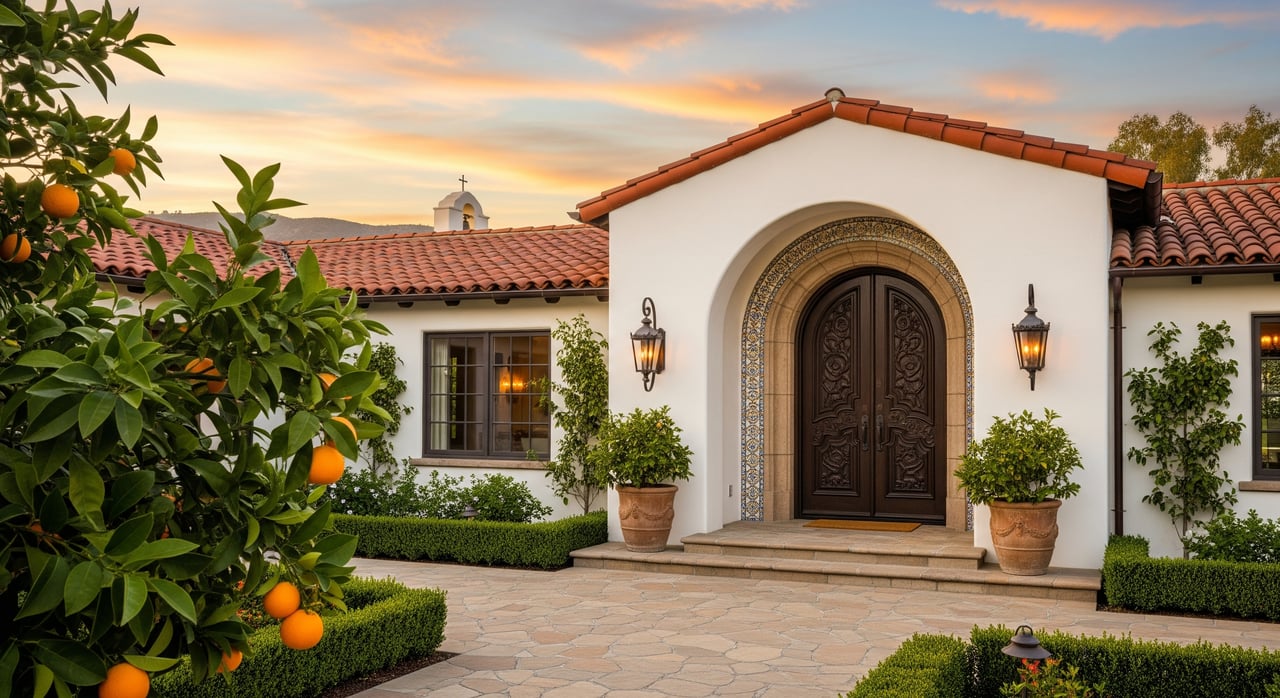
Is your move on the horizon and you’re wondering when to put your San Juan Capistrano home on the market? Timing can influence showings, offer strength, and your net proceeds, even in our mild coastal climate. You want a clear plan that fits your goals and the rhythm of our local market.
In this guide, you’ll learn the best listing windows for San Juan Capistrano, how local events can help or hinder your sale, and a simple 60‑day prep plan to launch with confidence. You’ll also get tips tailored to historic, equestrian, and suburban micro‑markets. Let’s dive in.
The quick answer: best months to list
If your goal is maximum buyer exposure and potential competition, the strongest window in San Juan Capistrano is late February through May. Industry research shows buyer activity and new listings rise in late winter and spring, which often fuels more showings and offers. Southern California’s mild weather softens the extremes you see in colder markets, but spring still tends to perform well.
National seasonality insights from the National Association of Realtors point to late winter and spring as active periods, followed by steady summer activity. Fall can bring a gradual slowdown, and late November through January usually see fewer buyers. Well‑priced, well‑presented homes can still sell in any season, but spring often provides a tailwind.
How seasons shape your sale in SJC
- Late winter to spring: More buyers start searching, aiming to close before summer. Fresh landscaping and bright photos boost marketing.
- Summer: Still active. Vacation schedules can shift traffic week to week, so flexible showings help.
- Fall: Demand can taper as families settle into routines. Focus on price, condition, and standout marketing.
- Late November to January: Typically slower. The buyers who are active are serious, so clean presentation and correct pricing matter.
Micro‑markets: tailor timing and strategy
San Juan Capistrano includes distinct property types. A smart plan aligns to your niche.
Historic and Los Rios/downtown
These homes attract buyers who value character and proximity to the Mission and downtown. Preparation pays off here. Older systems and historic details deserve careful inspection and staging. Listing slightly before major Mission events can help you catch increased foot traffic while keeping showings manageable.
Timing tip: Aim for early spring. Consider pre‑listing inspections to remove doubts about age‑related maintenance.
Equestrian and rural parcels
Acreage, barns, arenas, and paddocks appeal to a specialized buyer pool. Expect a longer search window and plan for targeted marketing that highlights usable features.
Timing tip: Spring works well for photography and turnout areas. Budget a 60 to 120‑day marketing horizon to reach regional equestrian buyers.
Suburban single‑family neighborhoods
These homes draw a wide range of buyers who value commute access and nearby amenities. Listings that hit in spring often close in summer, which can align with common move timelines.
Timing tip: Prep early to be market‑ready by March or April. Compete directly on presentation, pricing, and convenience.
Condos, townhomes, and planned communities
These attract first‑time buyers, downsizers, and investors. HOA documents and resale packages can take time, so start paperwork early.
Timing tip: Spring is solid, but condition, HOA dues clarity, and move‑in readiness can outweigh timing.
Mission events and local calendars
The Mission is a cultural anchor, and the “Swallows” tradition in March draws visitors each year. You can monitor dates and programming on the Mission San Juan Capistrano events page. The City of San Juan Capistrano calendar and Chamber of Commerce also list festivals and community happenings.
Here is how events can influence your sale:
- Pros: Higher pedestrian traffic can boost open house attendance, especially near downtown and Los Rios. Festive streetscapes can elevate lifestyle photos.
- Cons: Congestion can deter private showings and complicate parking. Some visitors are browsing, not buying.
Practical approach: If you plan to leverage an event, list 2 to 3 weeks before so your home is fresh in online searches when foot traffic peaks. Otherwise, schedule showings and open houses on non‑event days to keep visits focused and calm.
Choose the right window for your goal
Goal: Highest price and strong competition
- Target late February through May.
- Start prep 60 days early to complete inspections, repairs, landscaping, and staging.
- Price competitively based on recent neighborhood comps and current days‑on‑market trends.
Goal: Quick sale or time‑sensitive move
- List as soon as prep allows and price to the market.
- Offer flexible showing windows and complete pre‑inspections to reduce friction.
- Promote buyer conveniences like fast response times and clear disclosures.
Goal: Niche property (historic or equestrian)
- Plan a longer runway of 60 to 120 days.
- Use specialized photography and detailed property features sheets.
- Target the right channels and coordinate a patient, quality‑driven rollout.
Your 60‑day pre‑listing checklist
Use this timeline to hit a prime spring window, or adjust to your target date.
45–60 days out: strategy and inspections
- Hire a local listing agent with historic and equestrian knowledge where relevant.
- Request a neighborhood‑specific pricing analysis and market plan.
- Order pre‑listing inspections: general home, roof, HVAC, and pest/wood‑destroying organism. For older homes, consider plumbing and electrical checks.
30–45 days out: disclosures, documents, and scope
- Start required California disclosures and reports early so buyers have a complete package. Review guidance from the California Department of Real Estate and the California Association of REALTORS, including:
- Transfer Disclosure Statement (TDS)
- Natural Hazard Disclosure (NHD) report
- Lead‑based paint disclosure for homes built before 1978
- HOA documents, CC&Rs, and financials if applicable
- Mello‑Roos or special tax district information when relevant
- Decide on repairs and pre‑sale improvements with your agent. Prioritize safety, systems, and curb appeal.
30 days out: repairs, enhancements, and staging
- Complete high‑impact fixes: touch‑up paint, lighting, plumbing fixtures, and hardware.
- Refresh landscaping with seasonal color, mulch, trimmed hedges, and clean hardscape.
- Stage or consult a stager to highlight flow and natural light. Historic homes show best when staging respects period character.
14–21 days out: media and marketing assets
- Schedule professional photography and floor plan measurements.
- Capture drone imagery for acreage and equestrian features.
- Prepare property feature sheets that detail lot use, barn and stall counts, fencing type, water sources, and any zoning notes for rural parcels.
7–14 days out: finishing touches
- Deep clean, declutter, and depersonalize.
- Finalize disclosures and pre‑inspection summaries for buyers.
- If appropriate in your MLS, consider a “coming soon” period to build interest.
Launch week: go live and capture momentum
- List midweek to align with typical search patterns, then host your first open house over the weekend.
- Optimize showing access and quick response times.
- Track feedback, adjust strategically, and maintain strong presentation in the first two weeks.
Listing day and closing timeline
Many sellers list midweek, then capitalize on first‑weekend traffic. In California, a typical escrow runs 30 to 45 days once you accept an offer. If you need to close before a specific date, build in buffer time for appraisal, repairs, HOA processing, and loan conditions.
Why list with Emily Sells OC
You deserve a listing experience that feels polished and personal. With Emily Sells OC, you get boutique service backed by Compass resources to maximize your result and reduce friction.
- Premium presentation: strategic staging, professional photography, floor plans, and video that highlight lifestyle and function.
- Data‑driven pricing: neighborhood expertise and careful comp analysis for the right list price.
- Concierge coordination: pre‑sale improvements coordinated with trusted vendors to simplify your prep.
- Clear communication: hands‑on guidance from start to sold, including bilingual support in English and Spanish.
When you are ready, schedule a personal game plan with Emily White. We will tailor your timeline, marketing, and pricing to San Juan Capistrano’s rhythm and your goals.
FAQs
What is the best month to sell a home in San Juan Capistrano?
- Late February through May is often the strongest window for buyer activity and competitive offers, based on national seasonality and our mild local climate.
How do Mission events affect my San Juan Capistrano listing?
- Major events can boost foot traffic near downtown, but they can also create congestion; listing 2 to 3 weeks before an event balances online freshness with added visibility.
Can I get a good sale if I list in winter in San Juan Capistrano?
- Yes, serious buyers remain active; success depends on correct pricing, polished presentation, and flexible showings during a season with fewer shoppers.
How long does it take to close after accepting an offer in Orange County?
- Standard California escrows often run 30 to 45 days, depending on financing, appraisal timing, HOA processing, and any negotiated repairs.
Do equestrian properties take longer to sell in San Juan Capistrano?
- Often yes, because the buyer pool is specialized; plan for a 60 to 120‑day marketing window and use detailed property information and targeted outreach.
What disclosures do I need to sell a California home?
- Expect to provide the TDS, NHD, lead‑based paint disclosure when applicable, and HOA documents; see guidance from the California Department of Real Estate and the California Association of REALTORS.