If you are torn between the charm of an older home and the ease of newer construction, San Juan Capistrano makes that decision especially interesting. This is a city where historic character and thoughtful new development live side by side, so your choice is not just about age. It is about how you want to live, what kind of upkeep feels right, and how much flexibility you want over time. Let’s dive in.
Why this choice feels different here
San Juan Capistrano is known for protecting its small-village and rural atmosphere while still allowing new development. According to the city, projects are reviewed under the General Plan, Land Use Code, architectural guidelines, and the California Building Code. That means both older and newer homes often reflect the city’s long-standing architectural identity.
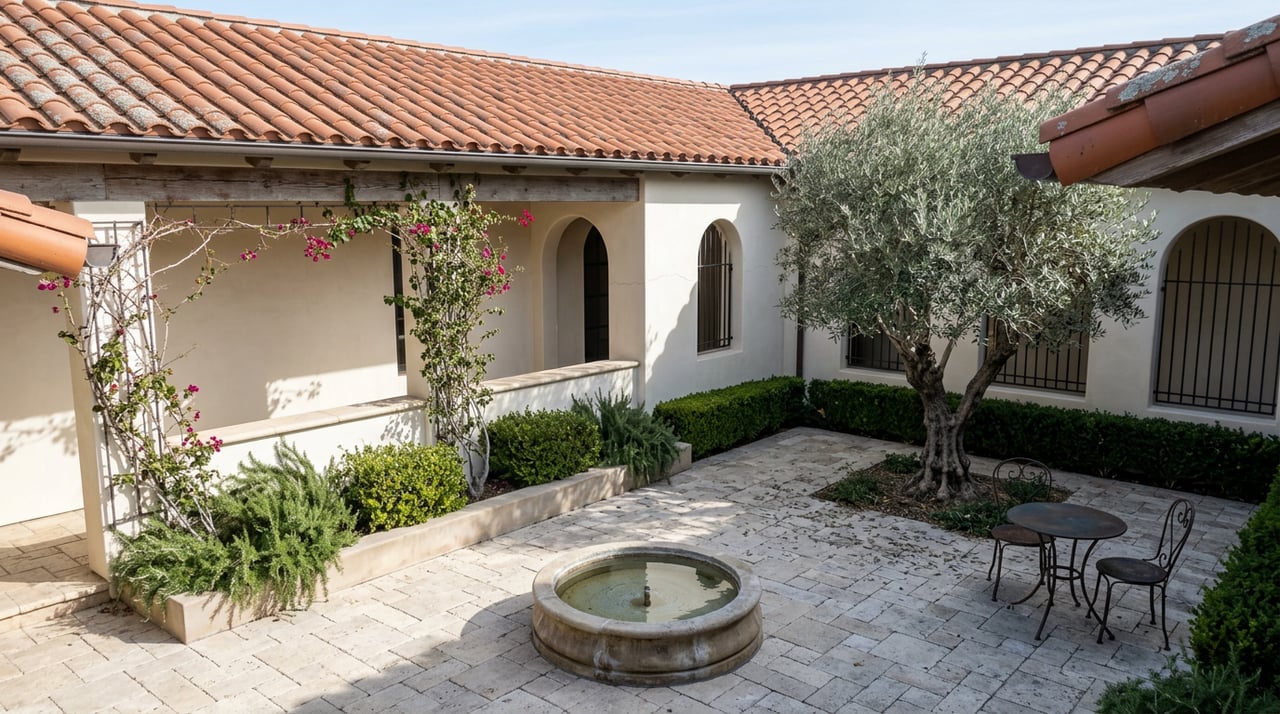
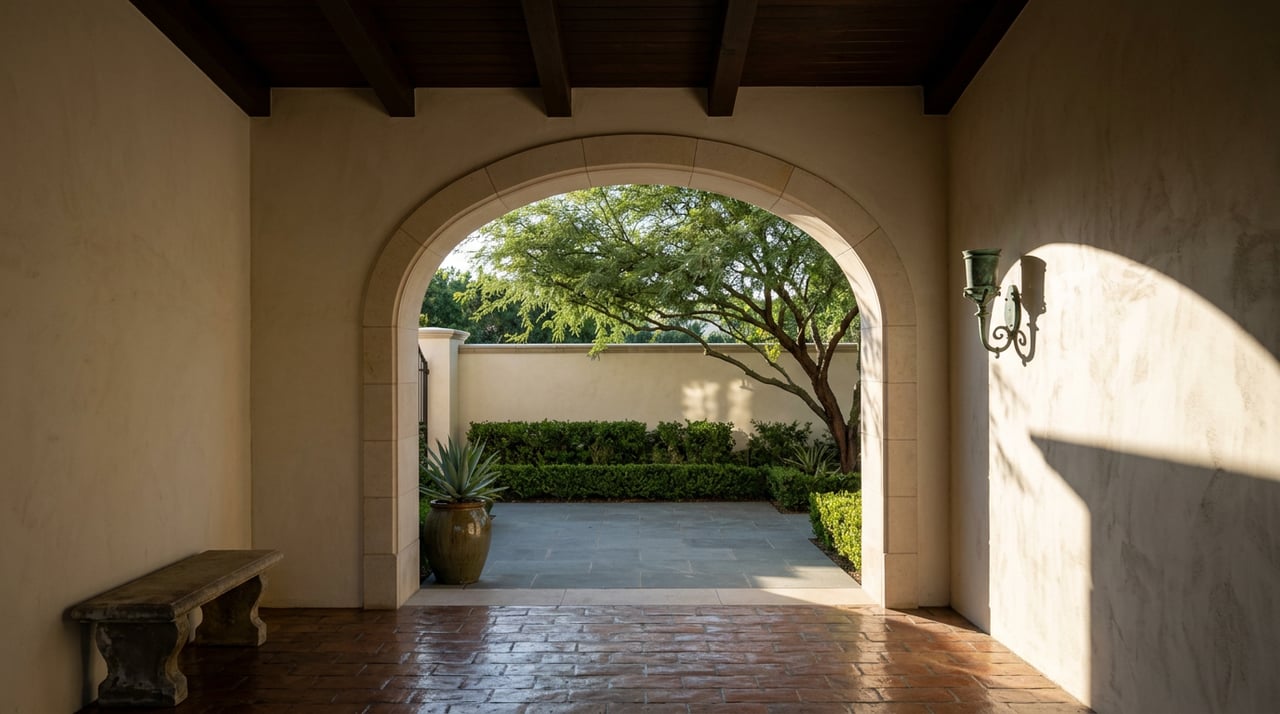
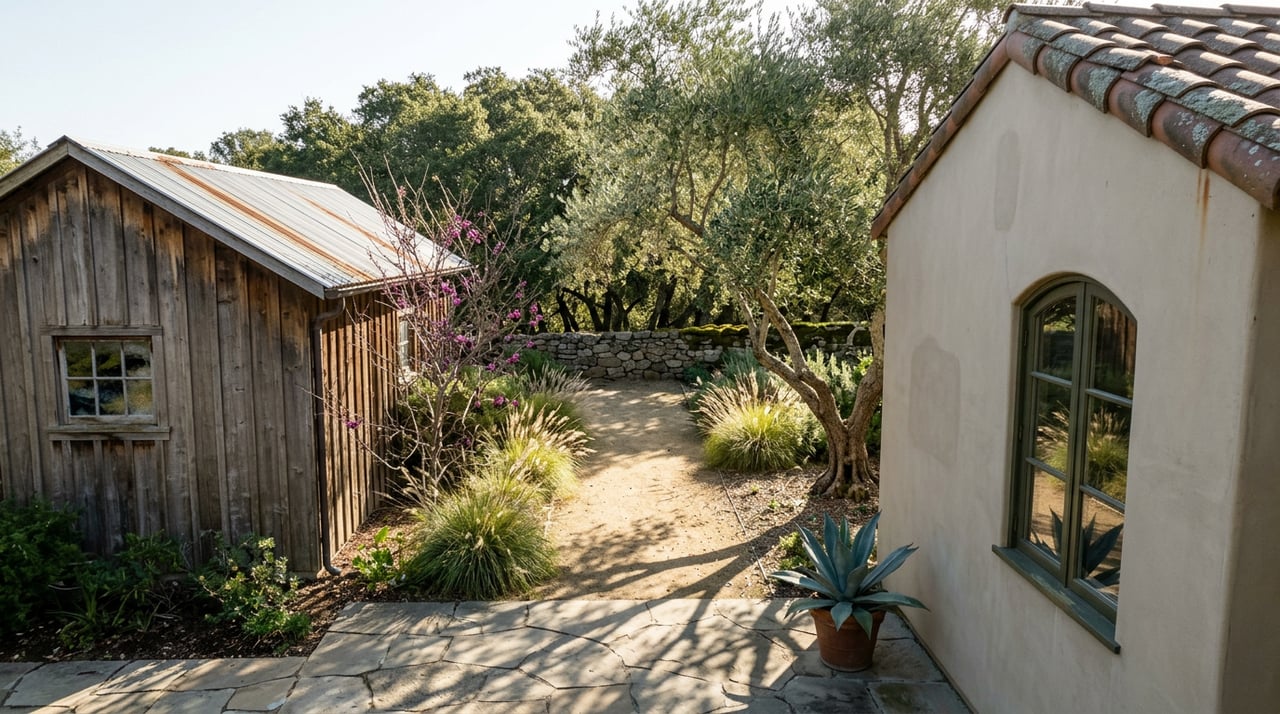
In practical terms, you may find true historic homes, historic-style homes, and newer properties that borrow from Spanish, agrarian, and mission-era design. So when you compare homes here, curb appeal alone does not tell the full story. The details behind the home matter just as much as the look.
What counts as a historic home
In San Juan Capistrano, a historic home usually means more than simply “older.” The city’s historic inventory includes the Mission and downtown buildings, the Los Rios Street Historic District, the Mission Hill-Mission Flats neighborhood, adobe buildings, and ranch and farmhouses from the 19th and 20th centuries. The city also notes 13 sites or districts listed in the National Register of Historic Places.
For you as a buyer, that often translates into stronger architectural character and a closer connection to the city’s earliest residential history. You may also see smaller-scale streetscapes and homes with details that are hard to replicate in newer construction.
Designation status matters
One of the biggest things to confirm is whether a property is officially designated or simply older in style. That distinction can affect what changes are allowed and whether certain incentives apply. Before you assume a home falls under preservation rules, it is worth verifying its status through the city’s historic inventory framework.
Los Rios is a key example
The Los Rios Historic District is one of the city’s most recognizable historic areas. The city describes it as one of the oldest residential districts in California and notes that its cozy homes, landscape, and limited parking make it a sensitive residential area. If you are drawn to a very strong sense of place, this type of setting may be exactly what you want.
What living in a historic home can involve
Historic homes can offer personality that newer homes often cannot match. Original architecture, established surroundings, and a deeper connection to local history are a big part of the appeal. For many buyers, that emotional pull is real and lasting.
At the same time, ownership can require more planning. The city states that once a landmark is designated, any owner who wants to alter, add onto, relocate, or demolish it must go through Site Plan Review. That does not make changes impossible, but it can make them more involved.
Renovations may need extra thought
If you like the idea of remodeling, a historic property may call for a more careful process. Qualified historic buildings may be eligible for the California Historical Building Code, which provides alternative regulations for repairs, alterations, additions, and related work. That can be helpful, but it also means your project may involve more specialized decisions than a typical remodel.
The city also notes that designated landmarks may qualify for a Historic Building Fee Waiver and Mills Act tax relief. However, the city says it does not currently spend funds to rehab or maintain privately owned landmarks. In other words, the owner is still responsible for the property’s upkeep.
Older does not mean less sustainable
If energy use and environmental impact matter to you, a historic home should not be ruled out automatically. California’s Office of Historic Preservation notes that retaining and reusing older buildings preserves embodied energy. Its sustainability guidance also says renovation often has lower environmental impacts than demolition and new construction when buildings are comparable in size and function.
What newer homes offer
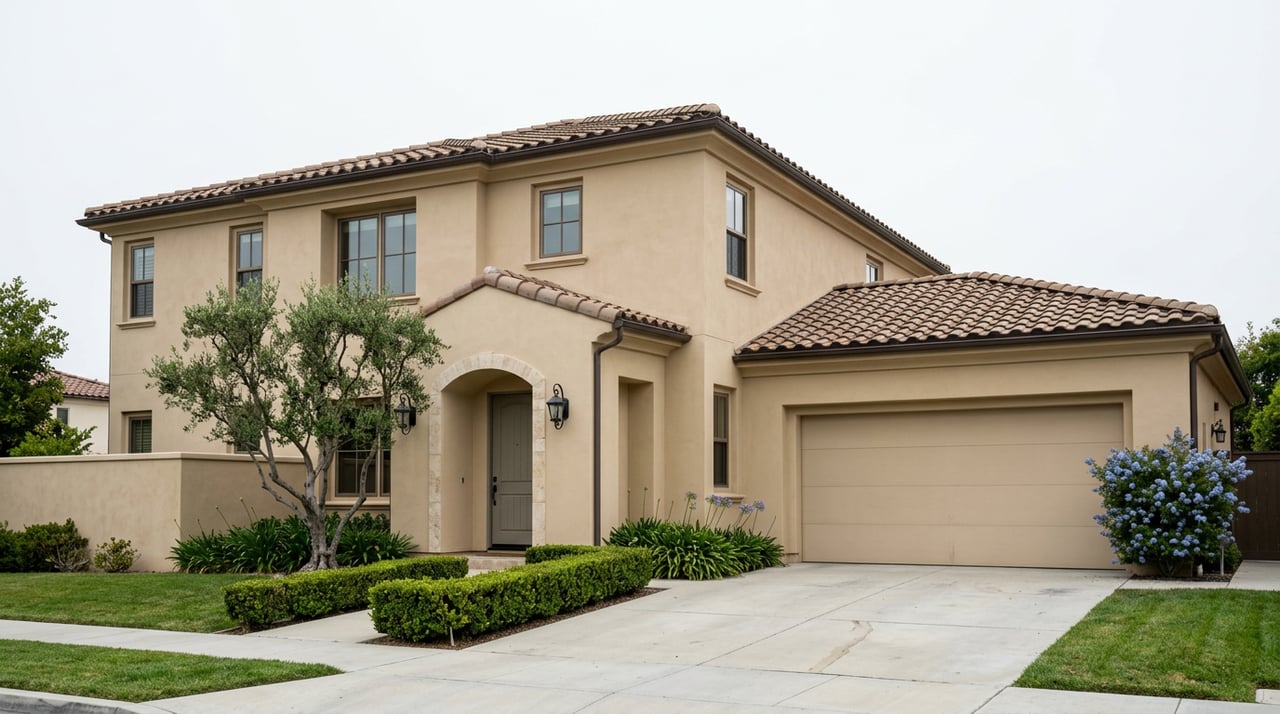
Newer homes in San Juan Capistrano often appeal to buyers who want fewer surprises and more day-one convenience. The city’s residential design guidance recognizes both smaller infill development and newer master-planned subdivisions, all within a framework meant to fit the local setting. So while the home may be newer, it still may reflect the city’s broader architectural character.
For many buyers, the biggest advantage is predictability. Modern systems, current-code construction, and newer materials can make move-in feel simpler. If you want a more turnkey experience, that can be a major benefit.
Builder warranties can add peace of mind
Many newly built homes come with some level of builder warranty coverage. The Federal Trade Commission says typical coverage often includes workmanship and materials for the first year, HVAC, plumbing, and electrical systems for two years, and major structural defects for up to 10 years. That kind of protection can make budgeting feel easier in the early years of ownership.
Efficiency features may be easier to find
New construction can also make it easier to find energy and indoor-air-quality features built into the home from the start. Research in your report notes programs for new homes that focus on reducing indoor pollutants and improving efficiency. Some certified new homes are expected to perform well above typical code-level construction.
If you prioritize modern efficiency, this is one of the clearest advantages of buying newer. It can be harder and more expensive to add some of those features later in an older home.
San Juan Capistrano still expects new homes to fit
Buying newer in San Juan Capistrano does not necessarily mean buying something out of character with the area. The city’s community design policies say new development should complement the historic theme while meeting the needs of newer residents. That is part of why many newer homes here still feel tied to the city’s established visual identity.
The city’s planning documents also reference themed buildings and earth-toned color palettes in certain areas to reflect local agrarian history. So if you love the visual feel of San Juan Capistrano but want newer systems and construction, you may be able to find both.
How to decide which is right for you
The best choice often comes down to your priorities, not just your budget. A historic home and a newer home can both be great options, but they serve different lifestyles.
A historic home may fit you if you want:
- A strong sense of place
- Original architecture and period character
- A home tied closely to San Juan Capistrano’s early history
- A property you are comfortable maintaining with extra care
- The possibility of preservation-related incentives if the home is designated
A newer home may fit you if you want:
- Current-code construction
- More predictable maintenance in the near term
- Builder warranty coverage
- Easier access to modern efficiency and indoor-air-quality features
- A more turnkey move-in experience
Questions to ask before you buy
No matter which direction you are leaning, a few early questions can save you time and stress later. In San Juan Capistrano, these details can shape your ownership experience more than buyers expect.
Check historic status first
Ask whether the property is officially designated on the local historic inventory or listed on the National Register. This can affect alteration rules and whether programs like the Mills Act or the California Historical Building Code may apply.
Review site-specific rules
A home may also sit within a specific plan area or be subject to other site-specific standards. Those rules can matter just as much as the age of the house, especially if you are thinking about future improvements.
Think about your comfort level
Be honest about how much hands-on ownership you want. Some buyers love the process of caring for a home with history. Others would rather spend less time thinking about systems, approvals, and long-term maintenance.
The bottom line for San Juan Capistrano buyers
In San Juan Capistrano, choosing between historic and new is really a choice between two different kinds of value. Historic homes can offer unmatched character, a deeper link to the city’s identity, and a setting that feels truly rooted. Newer homes often offer convenience, warranty support, and modern performance features that make day-to-day living feel easier.
If you are weighing both options, the smartest next step is to look beyond style and ask how each home supports your goals. The right fit is the one that matches your lifestyle, your plans for the property, and your comfort with upkeep and change over time.
If you want help comparing neighborhoods, property types, or what makes the most sense for your move, Emily White can help you navigate San Juan Capistrano with a local, thoughtful approach.
FAQs
What is considered a historic home in San Juan Capistrano?
- In San Juan Capistrano, a historic home typically refers to a property connected to the city’s official historic inventory, which includes areas like Los Rios, Mission Hill-Mission Flats, adobe buildings, and older ranch or farmhouse properties.
Do historic homes in San Juan Capistrano have renovation restrictions?
- If a property is a designated landmark, the city says changes such as alterations, additions, relocation, or demolition require Site Plan Review.
Are newer homes in San Juan Capistrano built to match the city’s character?
- Yes. The city’s design policies state that new development should complement the historic theme while meeting modern needs.
Do newer homes in San Juan Capistrano usually come with warranties?
- Many newly built homes do. The research report notes that builder warranties often cover workmanship and materials for one year, certain systems for two years, and major structural defects for up to 10 years.
How do I know if a San Juan Capistrano home is officially historic?
- Before buying, verify whether the property is officially designated in the city’s historic inventory framework or listed on the National Register, since that can affect rules and possible incentives.